Why Customers Don't Leave Voicemail Anymore
Voicemail was a queue in 1998. In 2026 it is an exit. A customer calls your plumbing, HVAC or electrical business, hears the beep, and — most of the time — hangs up and dials your competitor. If your whole missed-call plan is “they’ll leave a message”, you do not have a missed-call plan.
Voicemail was a queue in 1998. In 2026 it is an exit. A customer calls your plumbing, HVAC or electrical business, hears the beep, and — most of the time — hangs up and dials your competitor. If your whole missed-call plan is “they’ll leave a message”, you do not have a missed-call plan.
Last updated 7 November 2026
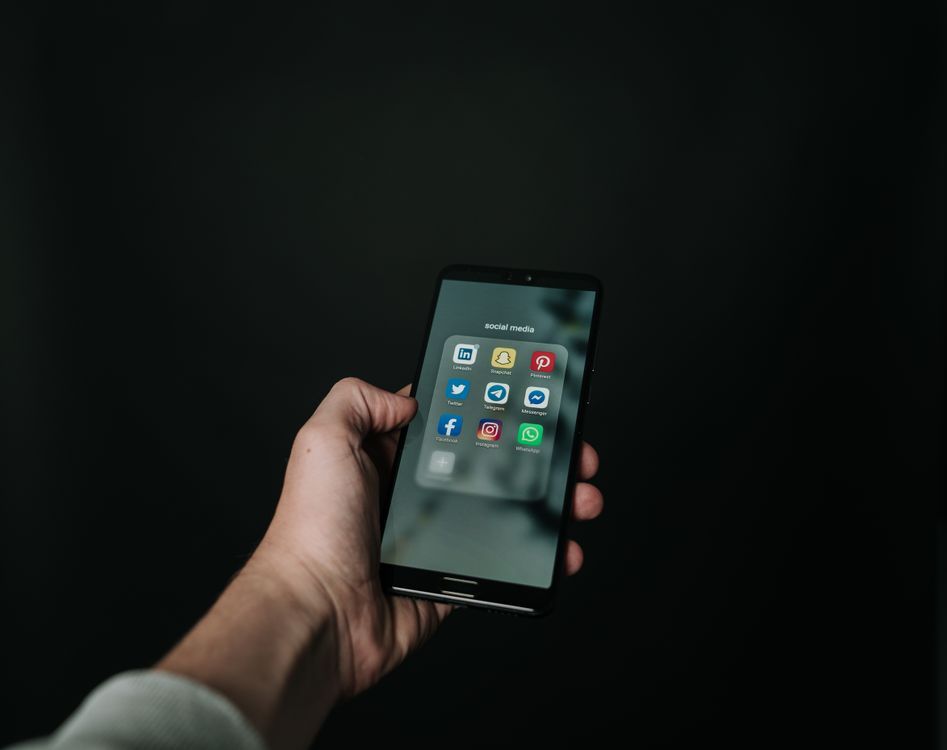
The voicemail habit is dead: what the numbers say (42% leave one)
The numbers are blunt. CallRail’s 2025 survey of 1,000 US consumers found that only 42% of callers leave a voicemail after an unanswered call. That means most callers — nearly six in ten — leave nothing at all: no name, no number, no description of the job. The same survey found that 78% of consumers have abandoned a business after an unanswered call, and 82% would call a competitor. You may also see a figure going around vendor blogs claiming 85% of callers will not leave a message; that figure is unverified, so this post uses the CallRail 42% instead. The conclusion is the same either way: voicemail is not a safety net.
What the caller does instead (calls the next name on Google)
So what does the caller do after hanging up? They go back to Google and call the next name on the list. It takes about thirty seconds. The customer’s problem has not changed — the leak is still leaking, the heat is still off — but their patience has run out, and the next business on the list is one tap away. The business that answers — or texts back — first wins the job, and the business with the nicest voicemail greeting wins nothing. They owe you nothing at all, and they know it.
Why emergencies make it worse: nobody waits on hold for a burst pipe
Voicemail fails worst exactly when the job matters most. A routine caller might leave a message and wait a day for a quote. An emergency caller will not. Nobody stands in a flooded kitchen listening to a voicemail greeting, and nobody with no heat in a freeze waits on hold for a beep. The emergency caller needs a human, or at least a text, within minutes — and if your system offers them a recording, they will take their emergency to the next number.
The Friday-night voicemail vs the Monday-morning competitor
Consider the Friday-night voicemail. A customer calls at 7pm on Friday, gets voicemail, and — unusually — leaves a message. You listen to it on Monday morning, call back at 9am, and get their voicemail. By then, the customer has had a whole weekend to find someone else, and they have. Now compare that with a text-back: the Friday-night caller gets a text at 7pm, books a Monday slot from the link in the message, and arrives on your Monday schedule before you have even opened the shop.
What replaced voicemail: text, booking link, callback promise
Three things have replaced voicemail, and they work together. First, a text: a short, human message sent within a minute of the missed call, naming your business and apologising for the miss. Second, a booking link: a way for the caller to pick a time without waiting for a phone call, because the caller who can book now will book now. Third, a callback promise with a time attached — “we’ll call you back first thing in the morning” — which is a promise you can keep, unlike “leave a message and we’ll get back to you.” None of this requires a new phone number or a new phone system. Try the interactive demo to watch a missed call turn into a text and a booking in under a minute, on the number you already advertise.
If you keep voicemail, rewrite the greeting (say when you’ll call back, offer text)
If you keep voicemail — and most shops will, as a backup — rewrite the greeting. The old greeting says who you are and asks for a message. The new greeting says who you are, when you will call back, and offers a faster option. Something like: “You’ve reached Acme Plumbing. We’re on a job right now, but we call every message back within one working hour. For a faster reply, text us at this number and we’ll answer straight away. Nobody listens to a forty-second greeting, and the caller who hears one has already hung up.
The 15-minute rule: every missed call gets a reply inside 15 minutes in hours
The rule that replaces voicemail is simple enough to write on a card by the phone: every missed call gets a reply inside 15 minutes during working hours. A reply can be a text, a callback, or a booking confirmation — but it must be a reply, and it must be fast. Fifteen minutes is short enough that the caller has not yet moved on, and long enough that a two-person shop can actually keep it. The money side of the same hang-up is in our guide to what a missed call costs, where you can run your own numbers; the habit to build first is the 15-minute reply, every time, for every missed call.
Sources
Frequently asked questions
What percentage of callers actually leave a voicemail?
Only 42%, according to CallRail's 2025 survey of 1,000 US consumers. Nearly six in ten callers leave nothing at all — no name, no number, no description of the job.
What do callers do instead of leaving a voicemail?
They call the next business on Google. CallRail's 2025 survey found 78% of consumers have abandoned a business after an unanswered call, and 82% would call a competitor.
Should I get rid of voicemail completely?
No — keep it as a backup, but rewrite the greeting. Say when you will call back, offer texting as a faster option, and keep it under twenty seconds. The main system should be a text-back with a booking link, not the voicemail box.
What is the 15-minute rule?
Every missed call gets a reply inside 15 minutes during working hours — a text, a callback, or a booking confirmation. Fifteen minutes is short enough that the caller has not moved on, and long enough for a two-person shop to keep. Measure it weekly.
Stop losing jobs to missed calls
RingBack Text answers every missed call with a text and a booking link, in under a minute. Try it free with 3 free text-backs — no card, no new phone number. Plans from $49 a month (Starter $49, Growth $79, Pro $129).