HVAC Missed Calls: No-Heat and No-AC Emergencies
No heat in a January freeze. No air conditioning in a July heatwave. Those are the two calls every HVAC shop wants — and they are the two calls most likely to arrive when nobody is there to answer. HVAC has the worst missed-call problem of the three trades, and the reason is simple: the best calls come at the worst times.
No heat in a January freeze. No air conditioning in a July heatwave. Those are the two calls every HVAC shop wants — and they are the two calls most likely to arrive when nobody is there to answer. HVAC has the worst missed-call problem of the three trades, and the reason is simple: the best calls come at the worst times.
Last updated 7 November 2026
Why HVAC misses more calls than plumbing (34% answered)
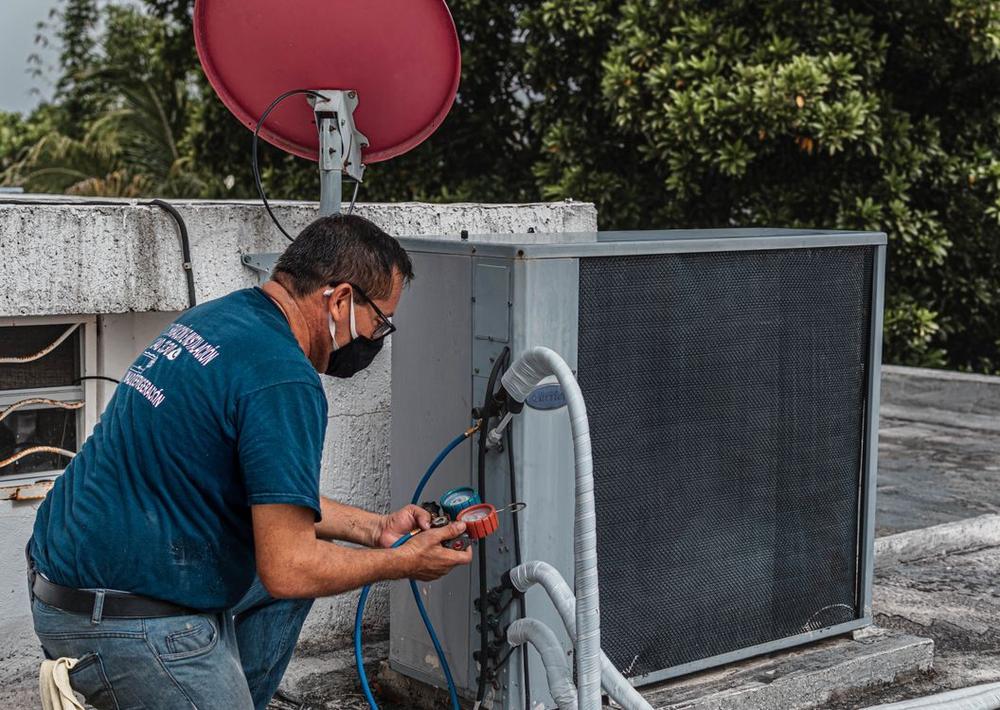
The numbers are stark. Invoca’s July 2026 data shows only 34% of HVAC calls are answered by a person — the lowest of the three trades, against 74% for plumbing. ServiceTitan’s figures tell the same story from the other side: HVAC shops book 38% of calls, against 43% for plumbing. HVAC work is seasonal and spiky, techs spend hours on roofs and in attics where a phone cannot be answered, and the calls that matter most arrive outside office hours. That gap is the whole business case for a text-back: the phone cannot be answered, but a text can still reach the caller in under a minute.
The two calls that hurt most: no heat in a freeze, no AC in a heatwave
Not all missed calls are equal, and in HVAC the difference is extreme. A no-heat call in a freeze and a no-AC call in a heatwave are both urgent, both expensive, and both decided in minutes. Losing one no-heat call can cost more than a month of routine bookings: HVAC repair averages around $350, according to Angi, and a replacement averages $5,978 for an air conditioner and $4,814 for a furnace.
First-freeze week: when furnaces quit all at once, mostly at night
Every HVAC owner knows first-freeze week: the first cold snap of winter, and every marginal furnace in town quits on the same night. The phones light up after dark, when temperatures fall and systems that limped through autumn finally fail. ServiceTitan’s 2025 data puts off-hours calls at 9.8% in October, rising to 14.1% in June, and the summer air-conditioning peak runs from April to October. The practical lesson is to prepare before the spike, not during it: check that your text-back is live, your booking link works, and your triage questions are written down before the first freeze, because during the spike nobody has time to set anything up.
Triage in 5 questions: gas smell, heat at all, system type, who is at risk, thermostat checked
When a no-heat caller does get through, five questions sort the emergency from the routine in under a minute. One: is there a gas smell, or has a carbon monoxide alarm gone off? Two: is there any heat at all, or none? Three: what kind of system is it — furnace, heat pump, boiler? Four: who is at risk in the house — children, elderly people, anyone with a medical condition? Five: has the thermostat been checked, including batteries and settings? Those five answers tell you whether to roll a truck now, talk them through a thermostat reset, or book the first slot in the morning. Try the interactive demo to see how a missed call becomes a text, a triage reply, and a booking.
Safety first: gas smell or CO alarm means “leave and call 911”, not a booking
Some calls are not bookings at all, and it is vital to say so plainly. If a caller reports a gas smell, or a carbon monoxide alarm has gone off, the advice is: leave the house now and call 911. Do not send them a booking link. Do not ask them to wait for a callback. Do not tell them to check the furnace first. Gas and carbon monoxide can kill, and the right response is to get people out and get emergency services in.
The text-back that holds a no-heat caller until morning
Most no-heat callers do not need a technician at 3am; they need to know someone is coming in the morning, and they need that promise before they ring the next company. A text-back does that job. The message is short: sorry we missed you, we know you have no heat, the first available slot is tomorrow morning, here is the booking link, reply STOP to opt out. The caller who gets that text at 3am stops dialling. The caller who gets voicemail keeps dialling. The same after-hours rules apply as for plumbing — see the plumber’s night-shift playbook for the quiet-hours rules and the morning routine that turns overnight texts into booked visits.
Shoulder-season trap: why HVAC shops cancel tools in spring — and regret it in July
The most common self-inflicted wound in HVAC is cancelling the tools that catch missed calls during the quiet months. In March and April the phone is calm, the text-back looks like an unnecessary cost, and the subscription gets cancelled. Then July arrives, the first heatwave hits, the phones explode, and the shop has no system to catch the overflow. Keep the system live through the shoulder season. It costs $29 to $99 a month, which is less than a single $350 repair, and it is the difference between a July that books and a July that rings out.
Sources
Frequently asked questions
Why do HVAC shops miss more calls than plumbers?
Invoca's July 2026 data shows only 34% of HVAC calls are answered by a person, against 74% for plumbing — the lowest of the three trades. HVAC work is seasonal and spiky, and techs spend hours on roofs and in attics where a phone cannot be answered.
What is a no-heat call worth?
HVAC repair averages around $350, according to Angi, and a replacement averages $5,978 for an air conditioner and $4,814 for a furnace. One missed no-heat or no-AC call in peak season can cost more than a month of routine bookings.
What should I ask a no-heat caller first?
Five questions: is there a gas smell or a CO alarm, is there any heat at all, what kind of system is it, who is at risk in the house, and has the thermostat been checked. Those answers sort an emergency from a morning booking in under a minute.
What if the caller smells gas or the CO alarm is going off?
Tell them to leave the house and call 911. Do not send a booking link and do not ask them to wait for a callback. Gas and carbon monoxide can kill — getting people out and emergency services in comes first.
Stop losing jobs to missed calls
RingBack Text answers every missed call with a text and a booking link, in under a minute. Try it free with 3 free text-backs — no card, no new phone number. Plans from $49 a month (Starter $49, Growth $79, Pro $129).