How Many Calls Do Plumbers Miss Each Week?
Ask ten plumbing owners how many calls they miss each week and you will get ten guesses — and most of them will be low. The phone rings while you are under a sink, in a crawl space, or driving between jobs, and by the time you check it, the caller has already moved on. The measured numbers are worse than most owners expect, and the gap is biggest for the smallest shops.
Last updated 7 November 2026
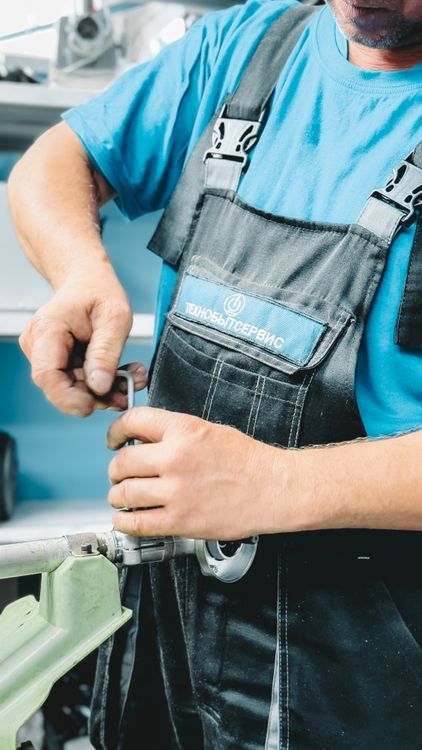
Photo: Bulat843 on Pexels
The honest answer: it depends on shop size, not on effort
There is no single number of missed calls that applies to every plumbing shop, because the answer depends mostly on how many people are available to answer the phone. A one-person shop misses calls whenever the owner is working, driving, or on another call. A shop with a dispatcher or office help misses far fewer. Effort has little to do with it — you cannot hold a wrench and a phone at the same time.
That is why the useful question is not “how many calls do plumbers miss” in general, but “how many do shops like mine miss, and how many of those were real jobs?”
What the measured numbers actually say (ServiceTitan 42%, Invoca 52%)
ServiceTitan (June 2022) found that a typical shop books only 42% of its calls — plumbing shops book 43%. That means well over half of the people who ring a typical shop never become a booked job.
Invoca (July 2026) measured the other side of the same problem: only 52% of home-service calls are answered by a person at all. Plumbing did better than the average, at 74% answered, while HVAC managed only 34%. So even in plumbing — the best-performing of the three trades — about a quarter of calls never reach a human being. The figures you may see quoted elsewhere, claiming far higher miss rates, are not measured research; the audit behind this post flags them as unverified vendor-blog claims, so they are not repeated here.
Why small shops miss more than big ones (the 24% vs 59% gap)
ServiceTitan (June 2022) also broke the book rate down by shop size, and the gap is stark: shops with under five technicians book just 24% of calls, while larger shops book far more. A small shop has nobody spare to answer the phone, so every call that arrives during a job, a drive, or a lunch break is a call that goes to voicemail.
One person can only do one thing at a time, and the job in front of them pays today while the ringing phone might pay tomorrow.
How to count your own missed calls in 20 minutes (call log method)
You do not need software to get your own number. Open your phone’s call log and go back seven days. Count every incoming call you did not answer, then cross out the ones that were spam, suppliers, or existing customers calling about a job already booked. What is left is your missed-customer count for the week.
Repeat it for a second week; most shops find the misses cluster mid-morning and late afternoon, when everyone is out on jobs.
Which missed calls were real jobs — and which were spam, suppliers and price-shoppers
Not every missed call was a lost job, and pretending otherwise inflates the problem. Spam calls, supplier check-ins, and people calling three plumbers for a price are all real calls, but none of them would have booked with you. Counting them as lost revenue is the same mistake as the inflated vendor statistics.
The honest filter is simple: a missed call was a real job if the caller needed work done soon, in your area, and was ready to book. Estimate it from the calls you did answer: what share were genuine, bookable jobs? Apply that share to your missed count. The next post in this series, on what a missed call costs a plumbing business, turns that number into money.
What one recovered call a week is worth at your ticket size
Take your average repair ticket — plumbing repair typically runs $150–$500 — and multiply it by the number of missed jobs you would actually recover. One recovered call a week at a $350 ticket is $350 a week, or about $1,400 a month. That is the scale of the prize, and it is why even a modest fix pays for itself quickly.
A text-back that recovers one call in ten still pays for itself many times over at those ticket sizes.
The cheapest fix first: text-back, callback rule, or a better voicemail greeting
Start with the cheapest fix and work up. First, rewrite your voicemail greeting: say when you will call back and offer to take the job by text. Second, set a callback rule — every missed call gets a reply within fifteen minutes during working hours, before you do anything else. Third, add a text-back: an automatic reply with your name and a booking link, sent the moment a call is missed.
Text-back is the cheapest of the three to run, because it works while you are under the sink. You can try the interactive demo on our homepage and see exactly what a caller would receive — your first 3 text-backs are free.
Sources
Further reading from the sources cited in this post:
Frequently asked questions
How many calls does a typical plumbing shop miss each week?
It depends on shop size. ServiceTitan (June 2022) found a typical shop books only 42% of calls, and shops with under five technicians book just 24%. The best way to know your own number is to count missed calls in your phone's call log over two weeks.
What share of home-service calls are answered by a person?
Invoca (July 2026) found only 52% of home-service calls are answered by a person. Plumbing did best at 74% answered, while HVAC managed only 34%.
Are most missed calls real jobs?
No. Spam, suppliers, and price-shoppers make up a real share of missed calls. Estimate the bookable share from the calls you did answer, and apply that share to your missed count for an honest figure.
What is the cheapest way to miss fewer calls?
Rewrite your voicemail greeting, set a 15-minute callback rule, and add an automatic text-back with a booking link. Text-back works while you are on a job, which is when most calls are missed.
Stop losing calls to voicemail
RingBack Text replies to every missed call in about a minute, with your business name and a booking link. Try it free — you get 3 free text-backs, and plans start at $49 a month (Growth $79, Pro $129).