Why Electricians Miss Calls (and How to Fix It)
You cannot take a call with the power off and both hands in a panel. You cannot answer from the top of a ladder with a live circuit in front of you. That is the electrician’s version of the missed-call problem — and it is why so many electrical contractors quietly lose jobs they never knew existed.
You cannot take a call with the power off and both hands in a panel. You cannot answer from the top of a ladder with a live circuit in front of you. That is the electrician’s version of the missed-call problem — and it is why so many electrical contractors quietly lose jobs they never knew existed.
Last updated 7 November 2026
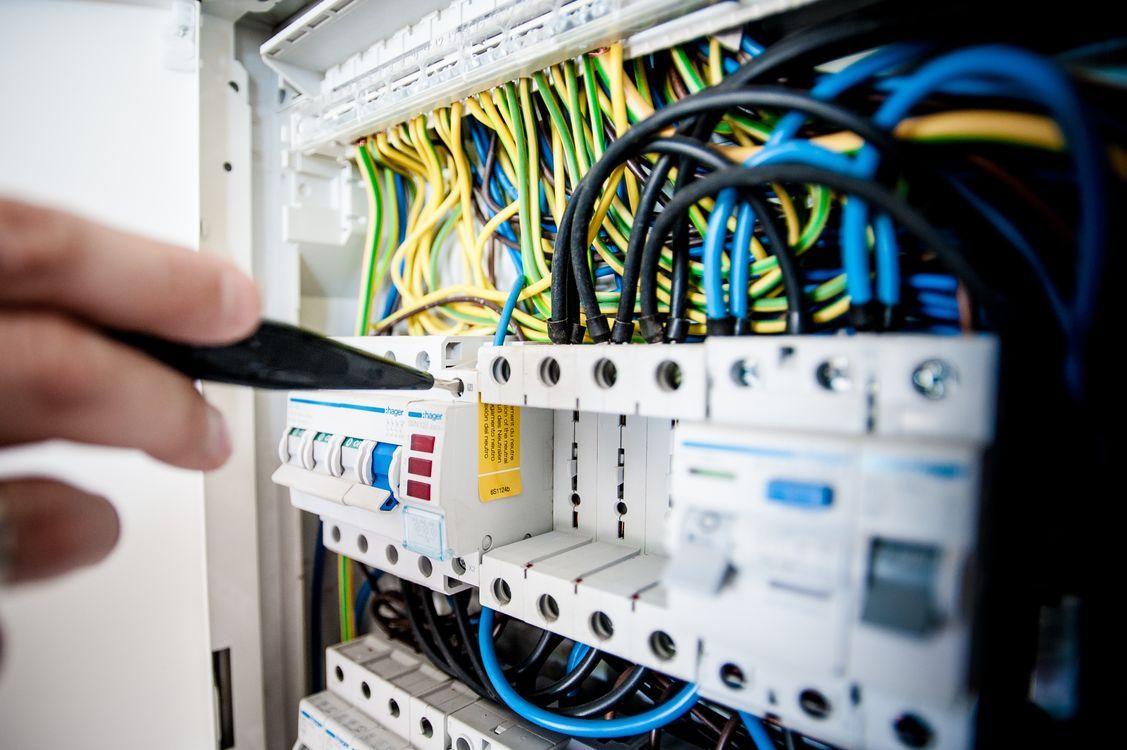
The panel problem: why “just answer it” doesn’t work for electricians
Electrical work is hands-on, often live, and frequently in places where a phone is a hazard rather than a help: a dark attic, a cramped panel, a ladder, a roof. Stopping to take a call means stopping work, washing hands, and losing the thread of a job that demands full attention. The result is a trade that misses calls not through laziness but through the nature of the work itself.
The two kinds of caller: emergency (no power, sparking) vs scheduled (panel quote)
Every missed call from an electrician’s phone is one of two kinds, and treating them the same is a mistake. The first kind is an emergency: no power in the house, sparking from an outlet, a burning smell, a breaker that will not stay on. That caller needs someone now, will pay emergency rates, and will not wait for a callback tomorrow. The second kind is scheduled work: a panel upgrade, new lighting, an EV charger, a quote for a remodel. The text-back has to tell them apart, because the emergency caller needs a phone call back within minutes and the scheduled caller needs a booking link and a clear next step.
What an emergency call is worth vs a panel-upgrade quote
The money in the two kinds of call is very different, and knowing the difference decides where your speed should go. An average electrical job is around $351, according to Angi — but that average hides the spread. A panel upgrade averages $1,600 nationally, typically $1,200 to $2,000, and the price varies sharply by city: San Francisco averages $2,137, Houston $1,364, and Kansas City $1,201. A panel upgrade is the big ticket, but it is won slowly, with a visit, an inspection, and a written quote. The emergency call is won fast, with a fast reply.
The triage text: “Is anything smoking or hot to the touch?”
The most useful text an electrician can send after a missed call is one short triage question: “Is anything smoking, sparking, or hot to the touch?” That single question sorts the emergency from the scheduled job in one reply. If the answer is yes, the caller gets a phone call back immediately, and the first instruction is to stay away from the outlet or panel and, if anything is burning, to call 911. If the answer is no, the caller gets a booking link and a promise of a callback during working hours.
Why quoting a panel upgrade over the phone loses the job
Panel upgrades are the classic job that gets lost by being quoted over the phone. A caller asks “how much for a panel upgrade?” and the electrician, trying to be helpful, gives a number. That number is almost always wrong: the panel brand, the age of the wiring, the service size, the local permit rules, and the condition of the meter base all change the price, and none of them can be known from a phone call. The right answer is a booked visit: “We don’t quote panel upgrades by phone, because every panel is different. We can come out, look at it, and give you a firm written price. Pick a time here. Browse the trades we serve — electrical is the third trade RingBack was built for — and see how the booking link turns a quote request into a visit.
After-hours: the honest 24-hour question (and the 13.5% who claim it)
Very few electrical businesses actually offer 24-hour service, whatever their websites say. A trade guide found that only 13.5% of electrical listings claim 24-hour availability — and that figure comes from MoreElectricalCalls’ own 2026 vendor data, so treat it as a guide rather than a census. The honest question for a small electrical shop is not “should we claim 24 hours?” but “what do we do with the calls that come after hours?” The answer is the same as for plumbing: a text that acknowledges the call, triages for danger, and promises a first-thing callback, with the after-hours rules explained in our night-shift playbook for all three trades.
The fix: text-back for every miss, live answering only for true emergencies
The fix for an electrician is not a receptionist, and it is not a bigger phone plan. It is a text-back on every missed call, with live answering reserved for true emergencies. The text-back costs $29 to $99 a month and catches every caller, day and night, with a triage question and a booking link. Live answering costs far more and is only worth it for the small share of calls where someone is in danger or without power. That split is the honest middle: automation for the many, a human for the few.
Sources
Frequently asked questions
Why can't electricians just answer the phone?
Electrical work is hands-on and often live — panels, attics, ladders — where stopping to take a call means stopping work and losing focus on equipment that can hurt you if you are distracted. Electrical shops book 41% of calls, according to Invoca and ServiceTitan figures.
What is the first question to ask a missed-call customer?
"Is anything smoking, sparking, or hot to the touch?" One reply sorts an emergency from a scheduled job. If the answer is yes, call them back immediately and tell them to stay away from the outlet or panel — and to call 911 if anything is burning.
Should I quote a panel upgrade over the phone?
No. The panel brand, wiring age, service size, permit rules and meter condition all change the price, and none can be known from a call. Book a visit, inspect it, and give a firm written price — that is where the job is won.
Do many electricians really offer 24-hour service?
Very few. A trade guide found only 13.5% of electrical listings claim 24-hour availability — that figure is MoreElectricalCalls' own 2026 vendor data, so treat it as a guide, not a census. Most shops are better served by a text-back and a first-thing callback than by claiming round-the-clock cover they cannot staff.
Stop losing jobs to missed calls
RingBack Text answers every missed call with a text and a booking link, in under a minute. Try it free with 3 free text-backs — no card, no new phone number. Plans from $49 a month (Starter $49, Growth $79, Pro $129).